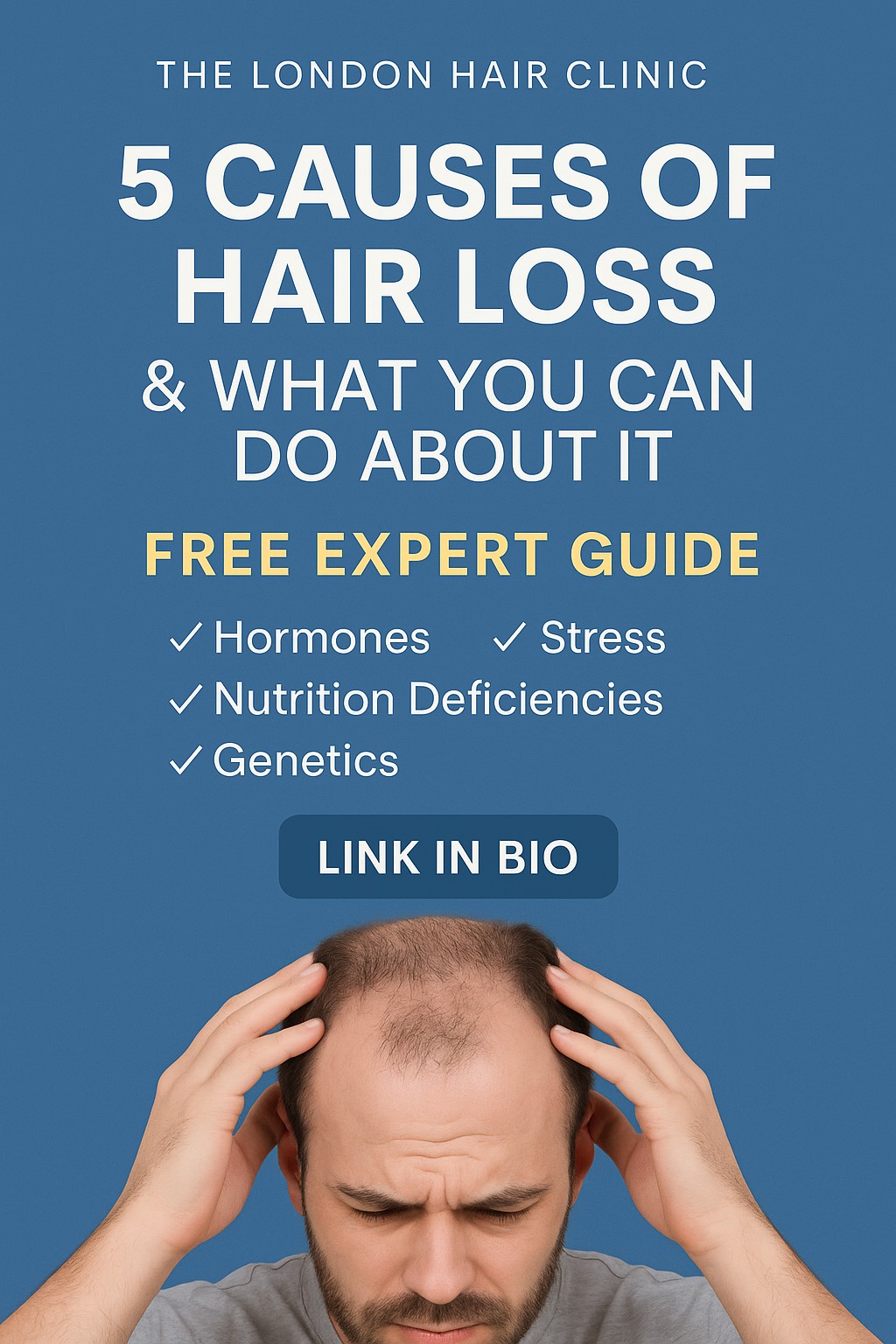
Causes of Hair Loss Free Expert Guide
Causes of Hair Loss & What You Can Do About It
Introduction
Hair loss is more common than you think - and more treatable than you know. In this guide, our specialists break down the most common reasons people experience hair loss, plus proven strategies to get your confidence (and your hair) back.
1. Hormonal Imbalance
What's happening?
Changes during menopause, PCOS, thyroid dysfunction, or postpartum shifts can trigger hormonal hair loss.
What to do:
- Get tested by a specialist
- Balance hormones naturally or through medical support
- Consider PRP therapy or hair systems for advanced cases
2. Stress & Trauma
What's happening?
Sudden shock (surgery, illness, emotional stress) can trigger telogen effluvium - hair shedding months after the event.
What to do:
- Address the root stressor
- Improve sleep, nutrition, and self-care
- Temporary hair systems can bridge the gap during recovery
3. Nutritional Deficiencies
What's happening?
Deficiencies in iron, zinc, vitamin D, and protein can reduce hair growth and cause thinning.
What to do:
- Test for deficiencies with your doctor
- Start targeted supplements
- Focus on protein- and iron-rich meals
4. Genetics (Androgenetic Alopecia)
What's happening?
Genetic hair loss often starts with thinning at the crown or temples (in men) or general thinning across the scalp (in women).
What to do:
- Early treatment is key: minoxidil, low-level laser therapy, and scalp stimulation
- Hair systems offer full coverage without surgery
- PRP therapy can slow progression in many cases
5. Scalp Health & Hair Care Habits
What's happening?
Poor scalp hygiene, build-up, or harsh styling can create an unhealthy environment for hair growth.
What to do:
- Use sulphate-free shampoos
- Avoid tight hairstyles and frequent heat styling
- Try scalp detox treatments and micro needling
Bonus: Treatment Options That Work
- Hair Replacement Systems
- PRP (Platelet-Rich Plasma) Therapy
- Micro needling with Growth Serums
- Low-Level Laser Therapy
- Prescription-Strength Topicals
Your next step? Book a free consultation with our experts and get a personalized treatment plan.
Limited Offer: Get 10% off your first treatment when you mention this guide!
Click here to book your free consultation

Could your workout be causing hairloss
Exercise and Hair Loss: The Basics
Exercise itself doesn’t cause hair loss.
In fact, moderate, regular exercise improves circulation, reduces stress, and supports overall health — all of which can actually benefit hair growth.
But there are a few gym-related factors that can contribute to hair thinning if you’re not careful.
Possible Causes of Hair Loss Linked to Gym Life
Excessive Physical Stress
Overtraining or pushing your body too hard without enough recovery time can raise cortisol levels — a stress hormone linked to hair shedding (telogen effluvium). Balance is key: your body needs rest to rebuild, including your hair follicles.
High Testosterone & DHT
Strength training, especially heavy lifting, can boost testosterone levels. In people who are genetically sensitive, this may lead to increased levels of DHT (dihydrotestosterone) — a hormone that contributes to pattern hair loss.
Important note: This only affects those with a genetic predisposition to hair loss (like male or female pattern baldness).
Supplements and Steroids
Some gym-goers take anabolic steroids or testosterone boosters — both of which are known to accelerate hair loss by increasing DHT levels. Even some “natural” supplements may have side effects that impact hair health.
Sweat and Scalp Hygiene
Excessive sweating can lead to scalp build up, clogged follicles, and irritation — especially if you don’t wash your hair regularly after workouts. A clean scalp is essential for healthy hair growth.
Tips to Protect Your Hair While Staying Fit
- Keep your scalp clean: Use a gentle shampoo after workouts.
- Avoid tight hairstyles (like ponytails or braids) that can cause breakage.
- Prioritize rest and recovery in your training schedule.
- Be cautious with supplements or hormone boosters.
- Eat a balanced diet rich in iron, protein, and vitamins for healthy hair.
Bottom Line
The gym itself isn’t the enemy — but how you train, supplement, and care for yourself can play a role.
If you’re noticing more hair loss than usual, it may be time to look at your routine, diet, and stress levels — and when in doubt, talk to a doctor or dermatologist.
Working out should make you feel strong and confident — and with the right habits, it can support your hair health too.

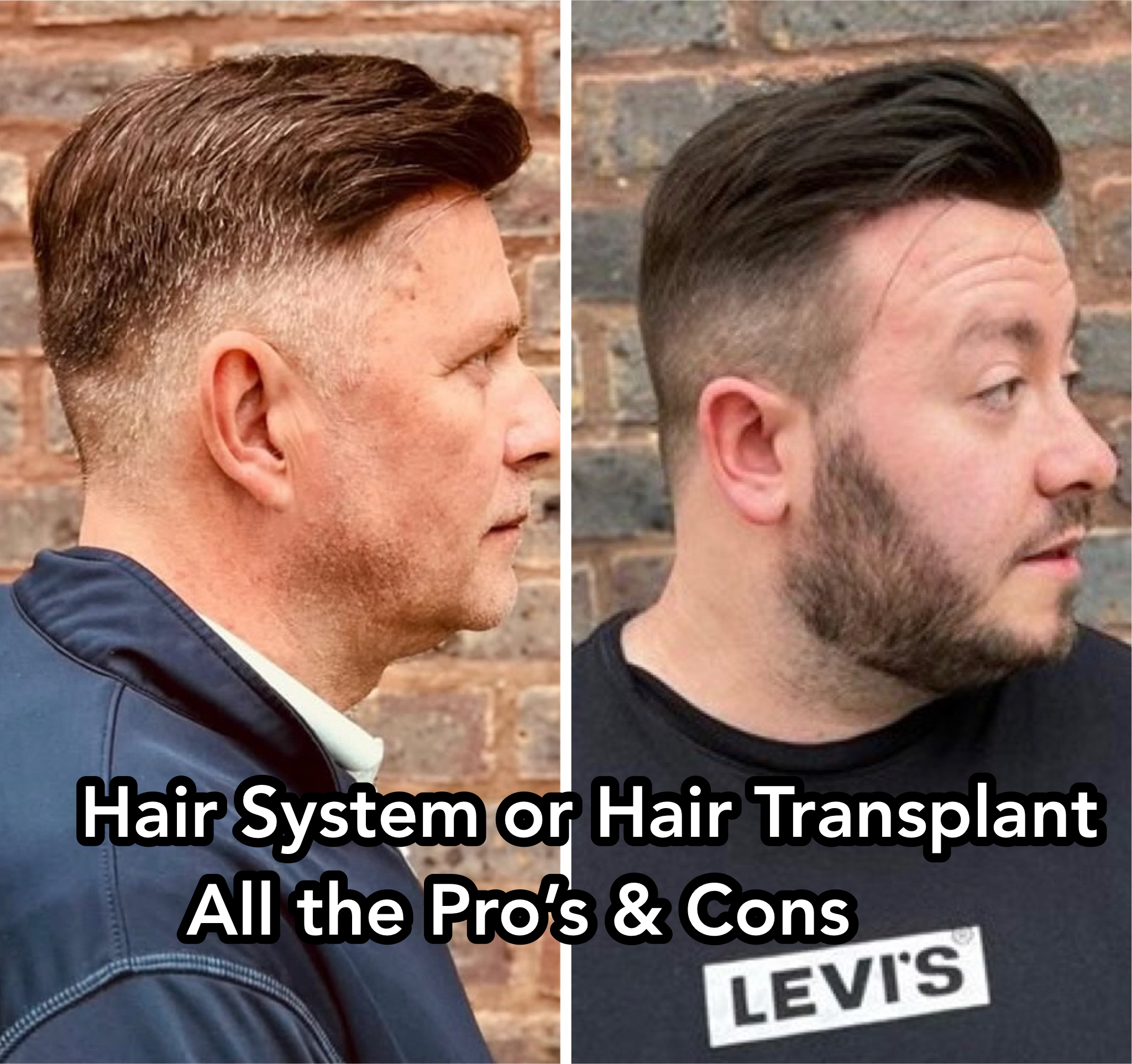
Hair System v Hair Transplants
Hair systems offer a non-surgical, immediate solution for hair loss, while hair transplants provide a permanent, albeit gradual, solution. Hair systems are generally more affordable and less invasive, but require maintenance and potential replacement. Hair transplants, while more costly and requiring surgery, offer a potentially permanent solution with natural-looking results.
Hair Systems (Non-Surgical Hair Replacement):
- Immediate Results:
You see results immediately after fitting, unlike the waiting period with hair transplants. - Non-Invasive:
No surgery is involved, making them a good option for those who are afraid of surgery or have health concerns. - Customizable:
Hair systems can be customized to match your natural hair color, texture, and desired style. - Maintenance Required:
They require regular maintenance, including cleaning, styling, and eventual replacement or adjustments. - Cost:
Generally less expensive than hair transplants, but have ongoing maintenance costs.
Hair Transplants (Surgical Hair Restoration):
- Permanent Results:
Hair transplants offer a potentially permanent solution for hereditary baldness. - Gradual Results:
It takes time to see the full results, typically 6-12 months after the procedure. - Surgical Risks:
Involve surgery, with potential risks like infection, scarring, or nerve damage. - Cost:
Can be more expensive than hair systems, with prices ranging depending on the extent of hair loss and the clinic. - Natural Look:
Can provide a natural-looking hairline and hair distribution.
Which is better?
The best option depends on individual needs and preferences:
- If you need an immediate solution, are concerned about surgery, or prefer a more affordable option, a hair system might be a good choice.
- If you want a permanent solution, are comfortable with surgery, and are looking for a natural-looking result, a hair transplant might be a better option .

Helpful tips to preserve your hair
To potentially save or restore a receding hairline, consider a combination of lifestyle changes, home remedies, and medical treatments. This includes addressing potential nutritional deficiencies, managing stress, using products like minoxidil, and consulting with a dermatologist or hair specialist for more advanced options like hair transplant or laser therapy.
Here's a more detailed look at strategies to potentially save or restore your hairline:
1. Lifestyle Changes:
Healthy Diet:
Ensure you're getting enough protein, vitamins, and minerals, as these are crucial for hair growth.
Stress Management:
Chronic stress can contribute to hair loss, so find healthy ways to manage it, such as exercise, meditation, or spending time in nature.
Avoid Harsh Products:
Minimize the use of harsh chemicals and heat styling tools, which can damage hair and contribute to shedding.
Scalp Massage:
Massage your scalp to improve blood flow and stimulate hair follicles. According to Hims, a 2019 study showed improvements in hair growth with daily scalp massage.
2. Home Remedies:
Scalp Massage: Gentle scalp massage can stimulate hair follicles and improve blood flow.
Essential Oils: Certain essential oils like rosemary and peppermint oil may help promote hair growth, though more research is needed.
Changing Hairstyles: Consider hairstyles that don't pull on the hairline or cause excessive stress on hair follicles.
3. Medical Treatments:
Minoxidil:
This topical medication can help stimulate hair growth and slow down hair loss.
Finasteride:
This oral medication, prescribed for men, can help prevent hair loss by reducing dihydrotestosterone (DHT), a hormone that can shrink hair follicles.
Hair Transplant:
This procedure involves transplanting hair follicles from the back of the head to the receding areas.
Low-Level Laser Therapy:
This treatment uses low-level lasers to stimulate hair growth.
Platelet-Rich Plasma (PRP) Therapy:
This treatment involves injecting a patient's own blood plasma, rich in platelets, into the scalp to promote hair growth.
4. Hairline Restoration:
Hairline Restoration Surgery:
This involves surgically lowering the hairline by moving the scalp forward and removing a portion of the forehead skin.
Hair Grafting:
This involves taking hair from the back of the head and implanting it into the hairline to make it appear fuller.
Important Considerations
Consult a Professional:
It's essential to consult with a dermatologist or hair specialist to determine the underlying cause of your receding hairline and discuss the most appropriate treatment options.
Consistency is Key:
Many treatments, like minoxidil and finasteride, require consistent use to see results.
Patience:
It may take several months or even a year to see significant improvements in hair growth, according to Superdrug Online Doctor.
Not All Causes Are Reversible:
In some cases, receding hairlines can be due to permanent hair loss, and treatments may only slow down further loss

5 foods that can help promote healthy hair
Five foods that can promote healthy hair are eggs, leafy greens (like spinach), fatty fish (like salmon), nuts, and avocados. These foods are rich in essential nutrients like protein, omega-3 fatty acids, and vitamins that support hair growth and strength.
Here's a more detailed look at these foods and their benefits:
- Eggs:
Excellent source of protein and biotin, which are crucial for hair growth and strength.
- Leafy greens (like spinach):
Packed with vitamins A, C, and iron, which nourish hair follicles and prevent brittle hair.
- Fatty fish (like salmon):
Rich in omega-3 fatty acids, which can help improve scalp health and promote hair growth.
- Nuts (like almonds):
Provide healthy fats, vitamin E, and magnesium, all of which contribute to hair strength and shine.
- Avocados:
Contain vitamin E and healthy fats, which can help repair damaged hair and improve its elasticity.
7 signs of low testosterone levels
Does taking testosterone increase hair loss….
While high testosterone levels don't directly cause hair loss, they can contribute to hair thinning and loss through the conversion of testosterone to dihydrotestosterone (DHT). DHT is a more potent androgen that binds to hair follicle receptors, leading to hair follicle miniaturization and eventually, hair loss.
Here's a more detailed explanation:
- DHT's Role:
DHT is the key hormone involved in male pattern baldness (androgenic alopecia), a common type of hair loss. It binds to receptors in hair follicles, particularly on the scalp, causing them to shrink and produce thinner, shorter hairs. - Individual Sensitivity:
Not everyone with high testosterone levels experiences hair loss. The sensitivity of an individual's hair follicles to DHT is determined by genetics, and those with more sensitive receptors are more prone to hair loss. - Male Pattern Baldness:
Male pattern baldness is a progressive condition where hair gradually thins and may eventually disappear in a pattern, often starting with a receding hairline and thinning on the crown. - Female Pattern Hair Loss:
While DHT also plays a role in female pattern hair loss, the exact mechanisms and the extent of its involvement can be more complex. - Treatment Options:
Several treatments are available to address DHT-related hair loss, including topical and oral medications like minoxidil (Rogaine) and finasteride (Propecia), which help slow down hair loss or even promote regrowth.

Does taking testosterone increase hair loss
While there's no direct link between gym workouts and hair loss, some factors related to exercise and lifestyle may contribute to hair loss in certain individuals. In general, moderate to high-intensity exercise enhances blood circulation to the scalp, potentially benefiting hair health. However, extreme stress from intense workouts or sudden changes in training intensity can trigger temporary hair shedding (telogen effluvium).
Here's a more detailed look at the relationship:
1. Exercise and Hair Health:
- Improved Circulation: Exercise improves blood flow, delivering more oxygen and nutrients to hair follicles, which can promote healthy hair growth.
- Stress Reduction: Regular exercise can help reduce stress, which is a known contributor to hair loss, particularly in conditions like male pattern baldness and alopecia areata.
- No direct link to hair loss: There's no solid evidence that exercise directly causes hair loss.
2. Potential Contributing Factors:
- Stress:
Sudden, intense stress from exercise (e.g., extreme workouts, changes in training) or other life stressors can trigger telogen effluvium, causing temporary hair shedding. - Nutritional Deficiencies:
If exercise is accompanied by poor diet or nutritional deficiencies, it can negatively impact hair health. - High Testosterone Levels:
While some studies suggest a link between certain types of exercise (e.g., weightlifting) and increased testosterone levels, which can be converted into DHT (dihydrotestosterone) and contribute to hair loss in some individuals, the evidence is not conclusive. - Supplements:
Certain supplements like creatine or high doses of vitamin A can potentially contribute to hair loss in some individuals.
3. What to Consider:
- Balanced Lifestyle:
A balanced lifestyle that includes proper nutrition, stress management, and adequate sleep is crucial for maintaining hair health. - Individual Variation:
The impact of exercise on hair loss can vary significantly depending on individual factors like genetics, overall health, and specific workout routines. - Consult with a Professional:
If you're experiencing hair loss and are concerned about its connection to exercise or other lifestyle factors, it's best to consult with a dermatologist or healthcare professional. - Focus on Moderate Exercise:
Moderate to high-intensity exercise is generally beneficial for overall health and can positively impact hair health by improving circulation. - Listen to Your Body:
If you experience excessive hair shedding, especially after a change in training intensity or diet, consider adjusting your workout routine or seeking professional advice.
In conclusion: While exercise is generally beneficial for health and can even promote healthier hair growth, it's important to be mindful of stress, nutrition, and individual factors that may contribute to hair loss. A balanced lifestyle and personalized approach to exercise can help minimize the risk of exercise-related hair loss.
Self maintaining the hairline of our system - all you need to know
There are two options when wearing a hair system in terms of maintenance. A lot of clients will visit a clinic every 4 weeks or so, to have their piece removed, cleaned and reattached, and their own hair trimmed of course. The alternative, is clients can maintain their piece themselves at home, by removing it, cleaning, and reapplying the bond, only visiting a barbers to have their hair trimmed and shaped if desired. This all seems simple, but majority of system wearers will need to maintain the front of their hair system themselves at home, regardless of in clinic maintenance, to achieve a flawless hairline and swept back look.
Taking care of your hair system doesn’t have to be a daunting task, in fact it’s so simple you could probably do it with your eyes closed, though we wouldn’t necessarily recommend that. For now, you may want to keep your eyes open until you read up on our helpful guide and become a world renowned pro at caring for your hair system.
What we call a ‘hard bond’ is used around the back and sides of the piece, as this is a thicker bond, much stronger and won’t be seen as it will be covered by the hair of the piece. A ‘soft bond’ is used at the front, as the name suggests, it gives a much softer finish, and allows for clients to wear their hair off their face. Although this looks great, it does require some maintenance.
It’s completely normal for the hairline adhesive to break down after some time so don’t stress yourself if you find the bond on your hair system beginning to wear out. It’s not giving up on you, there are various factors that can break down the adhesive including:
- Humidity and environment – the heat can cause the weaker adhesive at the front to break down faster, this is especially normal for clients living in hotter countries or using the sauna for example.
- Amount of exercise done which results in sweat – sweating will again break down the bond, but this is easily fixed. Clients who go to the gym often will need to understand that they will be maintaining their system more regularly.
- Natural oiliness of your scalp – some client’s scalps are a lot oiler than others, and produce a lot more sebum, meaning that the front can lift
- Water flowing through the system – washing your system won’t cause the front to life, but excess washing will.
Although there are lots of products out there, we recommend using the following to maintain the front of your system.
An adhesive remover like Lace Release should be used to release the bond of the lace to skin, and remove excess stickiness and glue. Start by spraying the lace front with the Lace Release, making sure it doesn’t go in to your eyes! And wipe with cotton wool. If you would like an option that isn’t alcohol based, you can use Super Solv which is oil based instead.
Ghost Bond glue gives the most realistic look, and is what many of the celebrities wearing hair systems use to give the undetectable hairline we all chase! Although it can be quite pricey, a little goes a long way, and can you really put a price on a flawless hairline!
Pro Touch offer a handy pen that can be a lot less messy to use to reapply your hairline, or even just top up small areas that may have lifted.
Once the lace and your skin is clean, clip back the hair and lace of the piece, apply a layer of glue, wait for it to get ‘tacky’ and then apply another. Again, wait until it is almost dry, and apply a third layer. Once this is almost dry, place down your piece and hold in place, it will take a moment to feel fully stuck and secure.
This can be done as often as you feel necessary, but always make sure to clean and release the lace carefully as to not pull any of the hairs out or damage your piece!
Hair loss prevention diet
Hair loss is a problem that many people are grappling with. Both men and women can start losing hair owing to a variety of reasons. From genetics to medication and age-related factors, all these can cause hair loss. The good news is that you can be proactive to prevent hair loss. Prevention is always better than cure. Every person can employ preventive measures for a healthier crown.
One of the best strategies is to incorporate foods that promote hair growth and prevent hair loss in your diet. In addition to giving you a healthy hairline, these foods will also promote overall wellness. This article gives you some hair loss prevention diet ideas that work.
Enrich your diet with Vitamin A
Vitamin A is critical to promoting hair health. It actually works like a natural conditioner to give you shinny and moisturized hair. This way, you will discourage hair breakage; retaining your hair volume. There are many sources of Vitamin A; including carrots and sweet potatoes. These foods are not just great for hair; but they also provide you with more health benefits. Adding carrots and sweet potatoes to a healthy balanced diet will indeed give you an edge to keep hair loss at bay.
Tap into the goodness of dairy products
Dairy products like eggs, milk and yogurt promote the growth of thick healthy hair. These foods are rich in proteins, Vitamins B12 and B7 which are vital for hair health. In addition, they come with essential nutrients like zinc, iron and Omega-6 fatty acids. All these elements play a huge role in giving your hair the right boost for better growth. Therefore, make eggs and other dairy products part of your daily diet. In moderation, these foods will help prevent hair loss.
Embrace green leafy vegetables like spinach
Spanish can be called a ‘super food’ when it comes to boosting growth of hair. This food is known for its high iron content. Iron deficiency is a leading cause of hair loss. In this regard, spinach is the right food to add to your diet. Spinach is also rich in protein, Vitamins A and C, magnesium, potassium, calcium and some omega-3 fatty acids. Therefore, you cannot go wrong with spinach when you are looking to maintain healthy attractive hair.
Make oats part of your diet
Oats are known to have a wealth of health benefits. With high fibre content, they are excellent for the digestive system. Oats are also rich in zinc, iron and omega-6 fatty acids. These nutrients are vital in promoting the health of your skin and hair. A bowl of oatmeal in your breakfast will help you tap into the benefits. This is also a tasty treat to add to your diet.
Consider adding shrimp to your diet
When you are looking for a healthy alternative source of high quality protein, shrimp is an excellent choice. Thankfully, this food contains high concentration of zinc and Vitamin B12. These are the nutrients that help boost healthy hair growth preventing hair loss. Chicken is another great alternative to add to your diet. Rich in proteins and other nutrients, you will keep hair loss away. Vegetarians can consider peanuts and tofu for optimal hair health.
Top five reasons why men are losing or suffering from certain types of hair loss
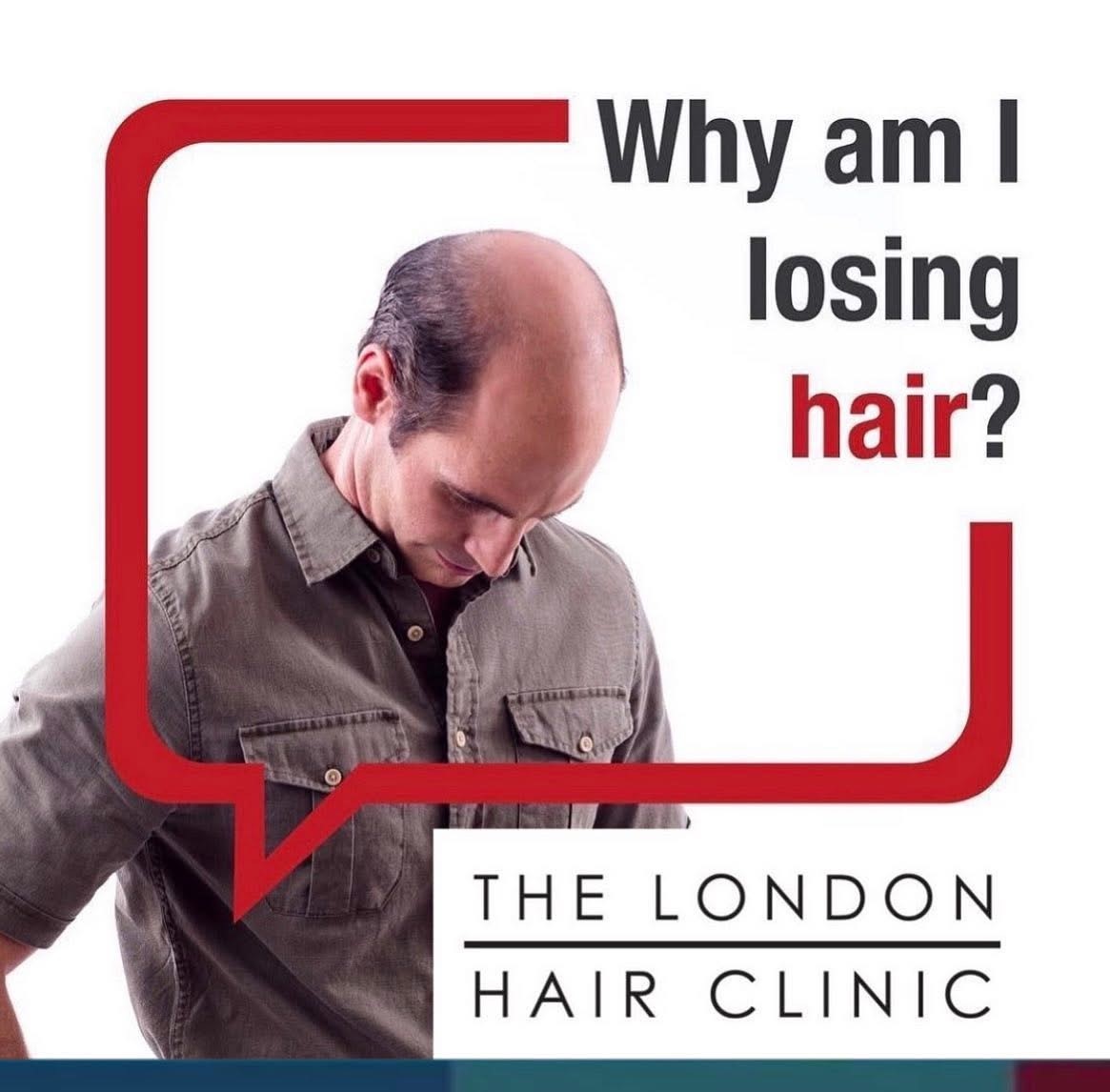
There are a variety of causes and reasons that can contribute to men losing their hair, however, in some situations men tend to shy away from the coming to terms with the actual reason why they are losing hair, and just blame the cause on genetics or age. This is totally wrong there are many other factors, triggers that can onset balding that most men suffering from hair loss do not realise.
Statistics state that two – thirds of men will start to lose their hair or experience some form of thinning by the time they are age 25. And 85% of men will experience forms of hair loss once they are 50 years old. However, let this not scare you some men are just born lucky and may not experience this!
For anyone experiencing hair loss, it can be a quite stressful experience and even more frustrating when trying to find a solution. Luckily for men scientist have found, and simplified the common causes of hair loss in men. The following are the top 5 reasons/causes why men are losing their hair.
Male Pattern Baldness
Male pattern baldness is one of the most common types of hair loss, most men suffer with. This type of hair loss occurs mainly with a U or M shape recession around the hairline and the crown of the head, over time the hair follicles begin to shrink, and eventually thinning or complete loss.
There are a few tests that can be done to diagnose male pattern baldness however it is easy diagnosable based on the appearance and pattern of the hair loss.
Stress
Any type of stress can be a strain on anyone’s health, whether it be physical or mental. Severe stress can send waves of different metabolites and hormones around your body which can put it in shock, this can lead your hair straight to the telogen effluvium phase. This is the stage where the hair begins to shed.
If you are able to tackle the root of your stress your hair may have a chance of growing back. It is always recommended to seek medical advice if you are suffering from stress.
Autoimmune Hair loss
Chronic illnesses such as diabetes, autoimmune disorders or thyroid diseases have been closely linked to hair loss, some side effects from medication can cause damage to your follicles. It is always advised to speak with a professional or doctor if you think you may be losing your hair for this reason.
Skin Conditions
Hair loss in men can be onset by various skin conditions and diseases, from psoriasis, eczema, dermatitis and many other especially since hair is formed from the follicles of the scalp, any type of contact skin or scalp issue can cause strain and cause hair loss. It is always advised to seek medical advice from a dermatologist so that you can treat the problem sooner rather than later.
Lifestyle
There are many everyday lifestyle factors that can be the invisible cause of your hair loss, this includes the following:
Poor Diet – Lack of nutrients can cause your hair to become weaker and eventually falling out. A healthy maintained diet is highly important, reducing the amount of sugar can decrease the amount of DHT (de hydra testosterone) being produced. Too much of being produced can slow down hair growth
Alcohol & Smoking – Both of these everyday external factors can have a huge impact on your hair. If both are taken excessively they are most likely to reduce the intake of nutrients causing damaging toxins to enter your bloodstream, also causing damage to the hair follicles.
Excessive exercise or physical activities – going to the gym and working out excessively can put your body into a state of shock which is also a root cause of hair loss.
Products – Excessive use of products can cause damage to the hair shaft eventually leading to hair loss. Many products such as gels, hairsprays or mousse contain alcohol that can be harmful to your hair, causing the hair to break or split.
Many men are suffering from hair loss, please do not think you are alone, there are many options now on the market that can help, which is one reason why we’re here! If you are interested in hair replacement and want to seek some advice, why not call us on 0203 976 6649 to book a free consultation with one of our consultants.